AI

Develops AI models and products including ChatGPT, Codex, and an API platform used by individuals, developers, and organizations.
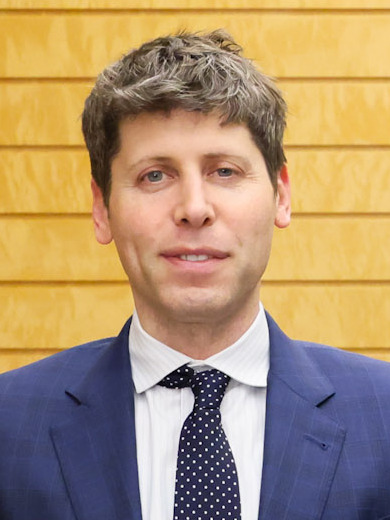
 Sam Altman + 1
Feb 27, 2026 · Equity$110BNew investment announcement
Get OpenAI alerts  Pre-IPO Stocks
COMPANIES • OWNERSHIP • THE ROAD TO IPO
A company directory with the ownership questions that matter: what you would own, how transfers work, and what an IPO could change.
42 companies
Develops AI models and products including ChatGPT, Codex, and an API platform used by individuals, developers, and organizations.
Sam Altman + 1Builds the Claude family of AI models and tools for coding, knowledge work, and enterprise applications, alongside research on AI safety.
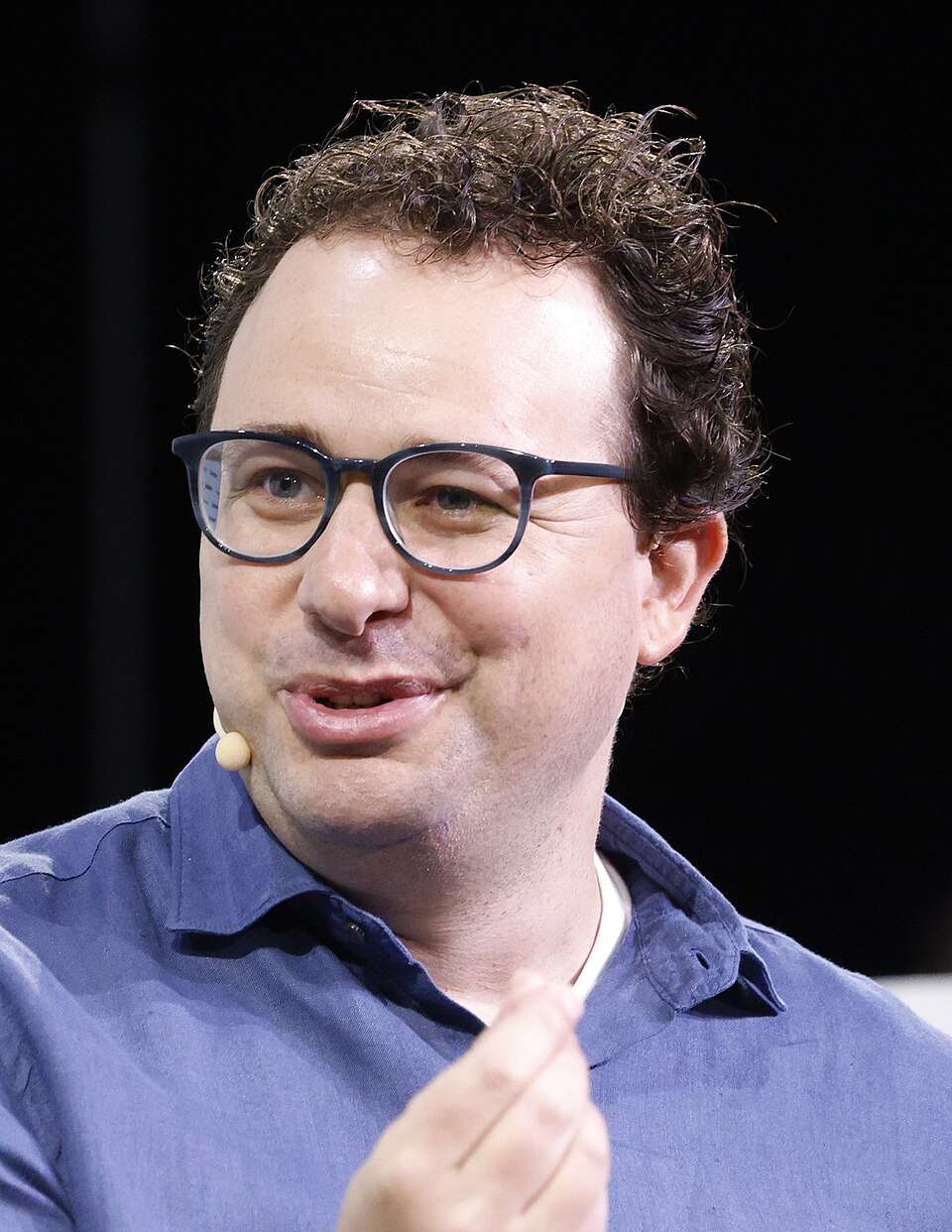
 Dario Amodei + 1
Develops enterprise AI models, search capabilities, and the North platform for organizations seeking control over their data and AI deployments.
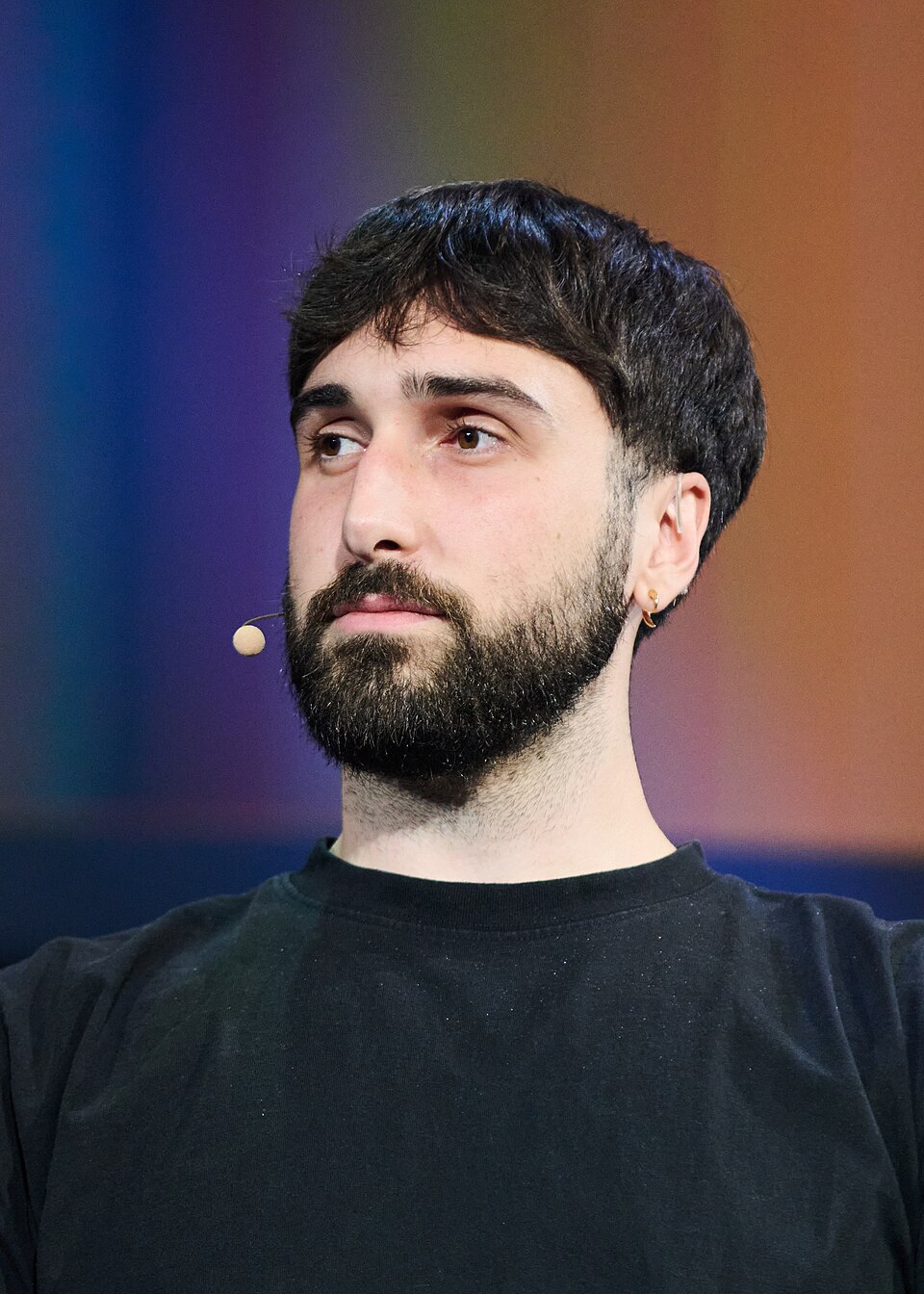
 Aidan Gomez + 2
Develops open-weight AI models, enterprise AI software, coding tools, and computing infrastructure for customers seeking control over AI deployment.
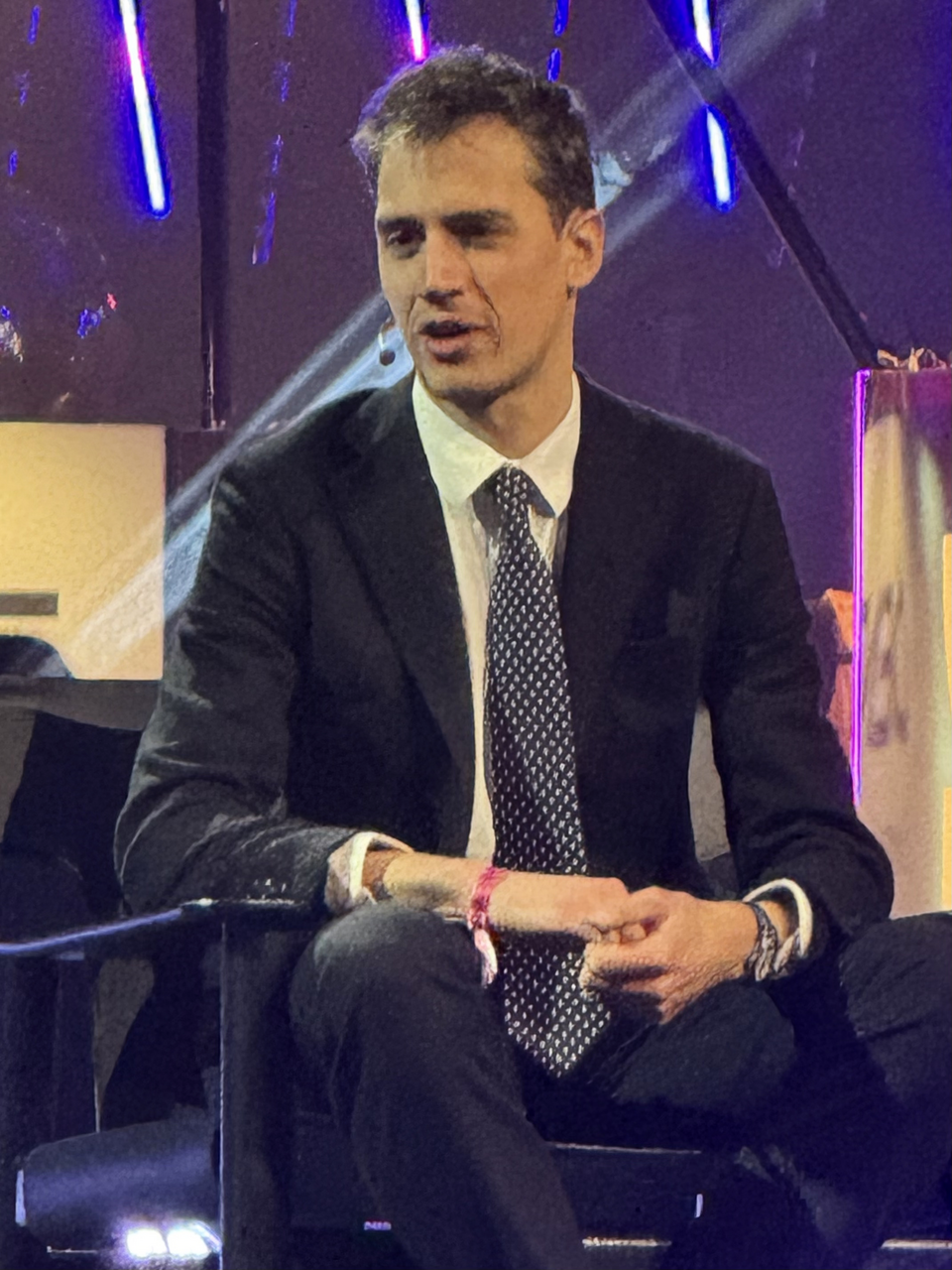
 Arthur Mensch + 2
Builds AI world models for spatial intelligence; its Marble product creates persistent 3D environments from images, video, or text.
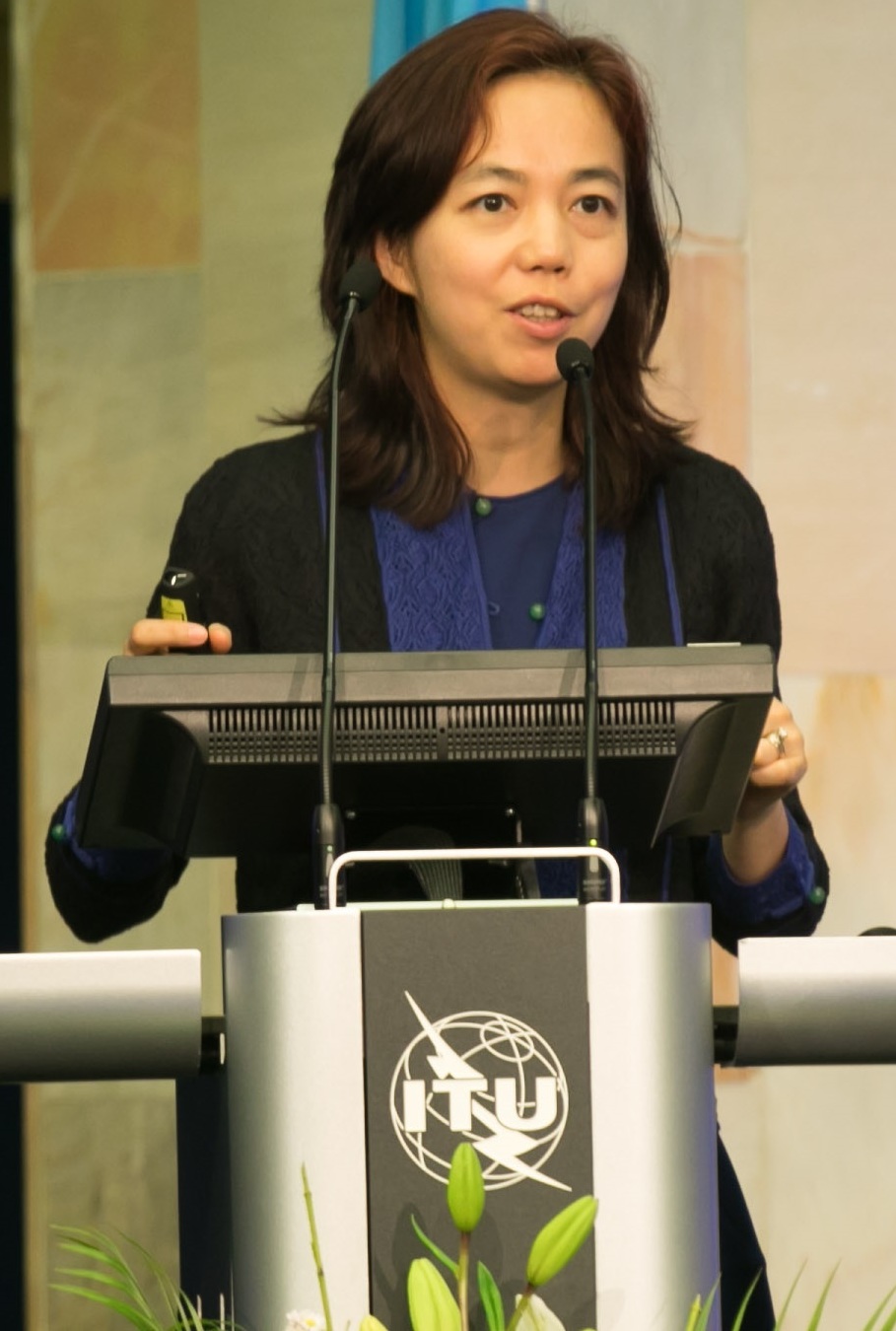
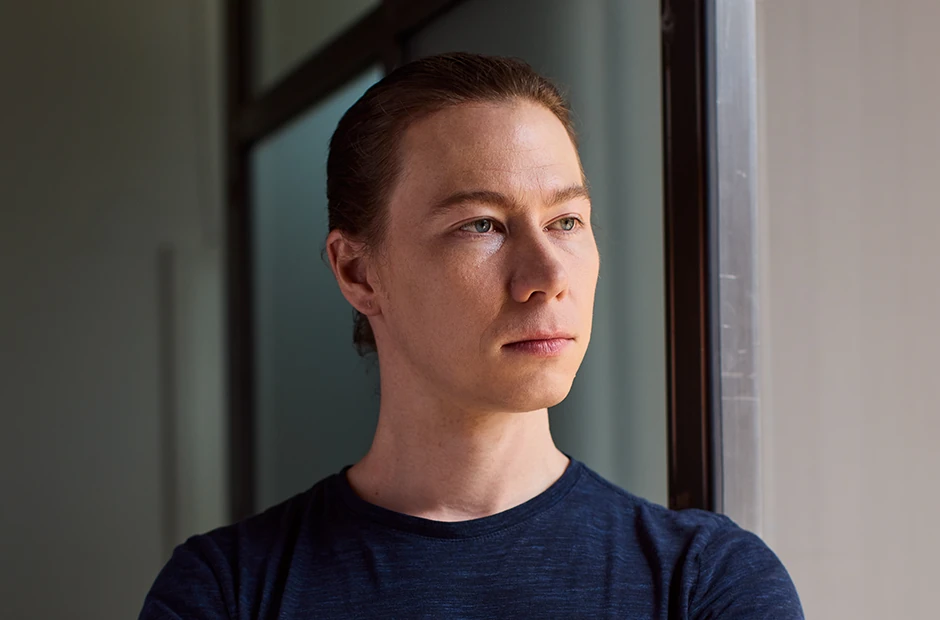 Fei-Fei Li + 3
Develops autonomous aircraft and Hivemind software designed to enable aircraft to operate in environments with disrupted communications or GPS.
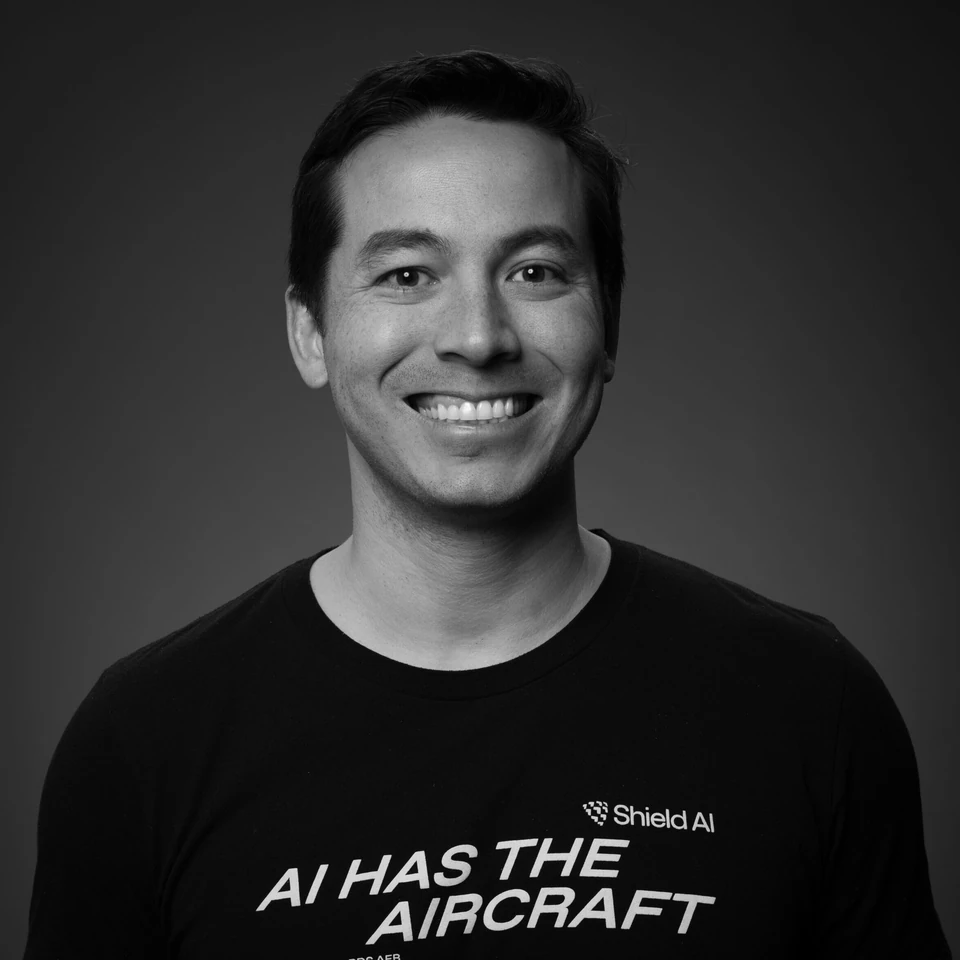
 Brandon Tseng + 1
Selected public-source research. Company inclusion does not establish private status, share availability, an IPO date, or a relationship with this website.
Know what you would own
THE PEOPLE BEHIND THE THESIS
OpenAI
Co-founded OpenAI and previously led Y Combinator. His interviews connect AI research, product distribution, infrastructure spending and the organizational choices involved in scaling an AI company.
Explore founderOpenAI
Greg Brockman is a co-founder of OpenAI. The company’s founding and leadership material provides context for its work in foundation models.
Explore founderAnthropic
Dario Amodei is a co-founder of Anthropic. An AI researcher whose work helped shape the company’s emphasis on model capability, reliability and safety.
Explore founderFROM FIRST QUESTION TO FIRST FILING
Follow the process from private ownership to public reporting. Each guide includes original explanations, a practical checklist, and official sources.
IPO basics
Understand the change from private ownership to a public offering—and what that change does and does not tell you.
Read the guideGoing public
Traditional IPOs, direct listings, and SPAC combinations reach public markets through different transactions.
Read the guideGoing public
Follow the major milestones without treating a filing, price range, or expected date as a completed IPO.
Read the guideResearch
Find the company’s own disclosures and turn a long prospectus into focused research questions.
Read the guideTHE ROAD TO A PUBLIC LISTING
Research the business, capital structure, and transfer restrictions.
Look for original company statements and public registration documents.
Understand allocation, dilution, and the difference between offer and market prices.
Follow reporting, earnings, lockup terms, and changing supply and demand.
MAKE YOUR RESEARCH MORE USEFUL
Tell us the company or topic you are exploring. Your inquiry is saved for the site team to review, with the context of where you started.
All company profiles and guides are free to read.
An inquiry does not reserve shares or establish eligibility.
THE QUESTIONS PEOPLE ASK FIRST
Initial public offering: a company's first public offering of its shares. It often accompanies an exchange listing.
No. Listing and profitability are different questions. Read the financial statements and the company's discussion of its results.
No. SEC review addresses disclosure requirements; it does not endorse an investment or judge whether it suits an investor.
No. Direct listings and SPAC business combinations use different mechanisms. Read the documents for the actual route.
They can. Some facilitate existing holders' sales; primary direct listings can also sell new company shares.
TAKE THE NEXT STEP